
How Accountants Can Help With Dental Insurance Claims

dental insurance claims

For many dental professionals, dealing with insurance claims can feel like a never-ending cycle of paperwork, confusion, and frustration. Navigating the complex world of dental insurance is a significant challenge, especially when it comes to ensuring accurate billing, managing denials, and maintaining a steady cash flow. Without the right expertise, these issues can lead to delayed payments and increased administrative burdens.

But what if there was a way to streamline this process, ensuring that dental insurance claims are handled accurately and efficiently? The answer lies in working with an experienced accountant. With the right support, dental professionals can reduce stress, improve financial health, and focus more on providing top-notch care to their patients.

In this blog, we’ll explore how partnering with an accountant can simplify your dental insurance claims and help you achieve faster reimbursements.

Common Challenges Dentists Face with Dental Insurance Claims
dental insurance claims

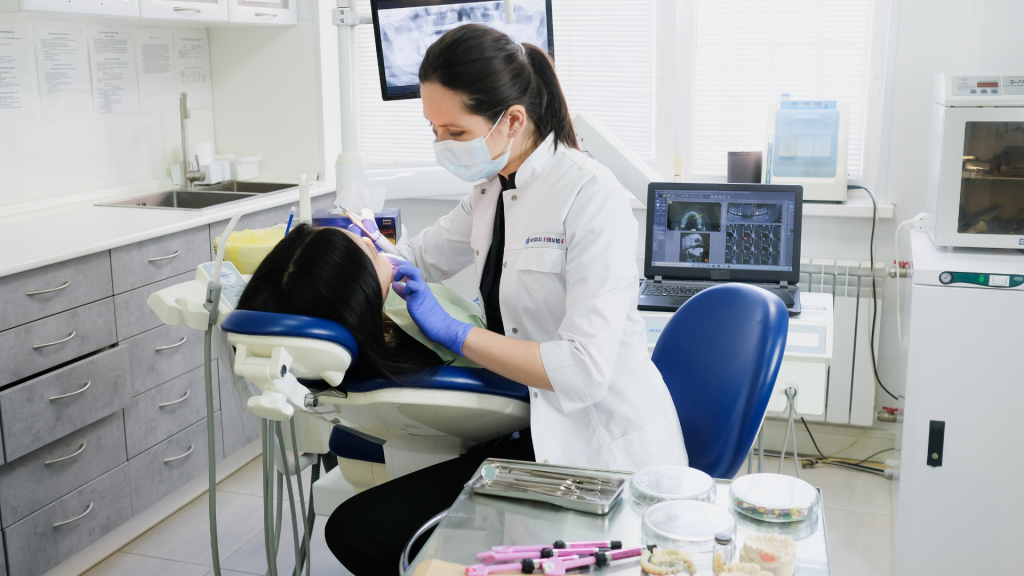
Navigating dental insurance claims comes with its own set of hurdles. Understanding these challenges is the first step toward overcoming them. Here are the most common issues dentists face when managing insurance claims:

1. Complex Claim Processes and Paperwork
  • Dental insurance claims involve a significant amount of paperwork, including detailed forms and documentation.
  • Incorrect or incomplete paperwork can lead to denials, delays, and confusion.
2. Navigating Various Insurance Providers and Plans
  • Different insurance providers have different requirements and billing codes, making it challenging for dental practices to keep track of everything.
  • Dentists may struggle with understanding what each plan covers and how to maximize reimbursement.
3. Delays in Reimbursements and Payments
  • Insurance claims can be slow to process, leading to cash flow issues and delays in receiving payments.
  • Many dental practices experience long waiting times for insurance reimbursements, affecting their overall profitability.
4. Coding Errors and Claim Denials
  • Incorrect coding is one of the leading causes of insurance claim denials.
  • It’s essential to use the right billing codes for procedures to ensure that claims are accepted and reimbursed.

How an Accountant Can Help Dentists with Dental Insurance Claims

An accountant with expertise in dental billing and insurance claims can make a significant difference in the efficiency and profitability of your practice. Here’s how an accountant can help:

1. Accurate Coding and Billing for Insurance Claims
  • Ensuring Proper Billing: An accountant ensures that all dental procedures are coded correctly according to industry standards, minimizing the risk of denials.
  • Reducing Claim Denials: By using accurate billing codes, your practice can significantly reduce the chances of rejected claims, ensuring faster reimbursement.
2. Streamlining the Claims Process
  • Paperwork Management: An accountant can handle the intricate paperwork, from filing claims to following up on denials, allowing you to focus on patient care.
  • Electronic Claims Submission: Many accountants are familiar with electronic claims submission systems, which can reduce errors and improve claim acceptance rates.
3. Optimizing Financial Flow and Timely Reimbursements
  • Monitoring Accounts Receivable: Accountants help track unpaid claims and identify overdue payments, improving cash flow and ensuring that claims are processed in a timely manner.
  • Improving Cash Flow: By ensuring claims are submitted correctly and on time, accountants can help maintain consistent cash flow for your practice.

Benefits of Working with an Accountant for Dental Insurance Claims

Working with an experienced accountant for dentist offers many benefits for dental practices, particularly when it comes to managing insurance claims. Let’s explore the key advantages:

1. Reducing Administrative Burden and Saving Time
  • By outsourcing the claims process to an accountant, your staff can focus on more critical tasks, such as patient care and scheduling, instead of managing complex paperwork.
  • This also reduces the time spent on follow-ups with insurance providers and appeals.
2. Ensuring Compliance with Insurance Regulations
  • Dental insurance regulations can vary by provider and region. An accountant ensures your practice remains compliant with all regulations, avoiding penalties for improper claims.
  • With ever-changing insurance rules, staying updated is essential for preventing claim denials.
3. Improving Overall Practice Profitability
  • Minimizing Revenue Loss: Incorrect coding and claim denials often lead to lost revenue. By working with an accountant, your practice can minimize these losses.
  • Maximizing Reimbursements: With proper management of the claims process, accountants can help maximize the amount reimbursed by insurance providers, improving your practice’s profitability.

How Malhi Accounting Professional Corporation Supports Dentists

Accountants in Malhi Accounting fully understand the unique challenges that dental practices face when it comes to managing insurance claims. Here’s how we can help:

1. Customized Solutions for Your Dental Practice
  • We offer tailored accounting services that address your specific needs, whether you’re dealing with complex insurance claims or looking to optimize cash flow.
  • From managing the entire claims process to providing guidance on best practices for billing and coding, we’ve got you covered.
2. Expertise in Navigating Dental Insurance Systems
  • With years of experience working with dental practices in Ontario, we are familiar with the dental insurance landscape and the intricacies of dealing with multiple providers.
  • Our team stays up-to-date with changing insurance policies and billing codes, ensuring your claims are processed smoothly and efficiently

Conclusion

Dealing with dental insurance claims doesn’t have to be a headache. By partnering with an experienced accountant, you can simplify the process, reduce claim denials, and improve your practice’s cash flow. At Malhi Accounting Professional Corporation, we specialize in helping dental practices navigate the complexities of insurance claims, ensuring that you get the reimbursements you deserve, on time.

If you’re a dentist in King City, Ontario, and are ready to streamline your dental insurance claims, contact us today to schedule a free consultation. Let us help you take the stress out of your accounting and improve the financial health of your practice. Visit Malhi Accounting’s website to learn more.

The Role of an Accountant in Expanding Your Dental Practice

The Role of an Accountant in Expanding Your Dental Practice

dental practice

Why Your Dental Practice Needs an Accountant

As a dentist, you’re passionate about providing excellent care to your patients. However, managing the financial side of your practice can be overwhelming. From tax planning to strategic growth, it can be tough to balance it all. This is where an experienced accountant comes in.

An accountant specializing in dental practice finances can help simplify these complex tasks, enabling you to focus on patient care while growing your business. Whether you’re planning to expand your practice or improve its financial health, the right accountant can be your key partner in achieving long-term success.

In this blog, we’ll explore the crucial role accountants play in expanding your dental practice and how our services can help you navigate the financial landscape with confidence.

The Crucial Role of an Accountant in Your Dental Practice’s Growth

Financial Planning and Forecasting

Effective financial planning is critical for any business, especially a dental practice. By partnering with an accountant, you can create detailed forecasts for revenue and expenses, ensuring your practice’s finances are aligned with your goals.

Tip: Use financial forecasting tools to predict cash flow, enabling you to make informed decisions about future investments, such as equipment upgrades or expanding your team.

Managing Cash Flow and Expenses

Cash flow management is vital for keeping your dental practice running smoothly. An accountant can help you track your income and expenses, ensuring you have enough liquidity to cover overhead costs while saving for future growth.

  • Track income and expenses: Regularly monitor your practice’s financial transactions to identify any discrepancies or areas for improvement.
  • Identify cost-saving improvements: Work with your accountant to streamline operational costs without sacrificing quality of service.
  • Save for expansion: Set aside funds for major investments like expanding your office or upgrading dental technology.
Tax Planning and Optimization

Navigating the complexities of tax laws is a challenge for many dental practices. An accountant helps you identify potential tax-saving opportunities and ensures compliance with tax regulations, minimizing liabilities and maximizing deductions.

Tip: Make sure to take advantage of deductible expenses specific to dental practices and Ontario’s tax credits, reducing the amount of tax you owe each year.

Financial Reporting and Performance Analysis

Regular financial reporting is essential to measure the health of your dental practice. An accountant will provide detailed reports on profits, losses, overhead, and patient volume, helping you make informed decisions about the future.

Tip: Pay attention to key financial metrics like profit margins and overhead costs. Your accountant can help you identify areas for growth and efficiency.

Strategic Business Growth: How an Accountant Contributes to Your Practice’s Success

Investment Decisions and Loan Management

When considering expansion—whether that means purchasing new equipment or growing your team—an accountant’s insight is invaluable. They’ll help you understand the financial implications of investments and assist with securing loans or lines of credit.

  • Loan vs. lease for equipment: An accountant will help you decide whether to finance or lease dental equipment, helping you evaluate the pros and cons of each option.
  • Budgeting for expansion: Your accountant can create a financial roadmap to guide your practice through a successful expansion.
Mergers and Acquisitions: A Guide to Expanding Your Dental Practice

If you’re considering merging with another practice or acquiring one, an accountant can assess the financial health of the potential business. This will help you make sound decisions and ensure the transaction is beneficial for your practice.

Due diligence: Work with an accountant to thoroughly assess the financial health of the practice you’re considering merging with or acquiring.

How Malhi Accounting Professional Corporation Supports Dental Practices

Personalized Accounting Services for local Dental Practices

At Malhi Accounting Professional Corporation, we offer tailored financial strategies designed to meet the unique needs of dental professionals in King City, Ontario. Whether you’re just starting your practice or planning for growth, we’re here to help every step of the way.

  • Customized financial strategies: We provide solutions specifically designed for the dental industry, ensuring your finances align with your goals.
  • Regular consultations: Stay on track with regular consultations and financial check-ins to keep your practice’s finances in optimal shape.
Empower Your Dental Practice’s Growth with Professional Accounting Services

The right accountant can be a game-changer for your dental practice, helping you grow while ensuring financial stability. By focusing on financial planning, cash flow management, tax optimization, and strategic growth, you can position your practice for long-term success.

If you’re ready to take your dental practice to the next level, Malhi Accounting Professional Corporation is always available to help businesses for any accounting needs. Our personalized services for accountant for dentist in King City, Ontario are designed to provide the expertise and guidance you need to achieve your goals.

Contact us today to schedule a consultation and start optimizing your practice’s finances for growth.

Navigating Dental Equipment Depreciation for Tax Savings

Dental equipment depreciation


Are you a dental professional looking to maximize your tax savings while managing the complexities of dental equipment depreciation? Investing in high-quality equipment is essential for your practice, but understanding how to navigate its depreciation for tax purposes can make a significant difference in your financial planning. Let’s break down how you can leverage depreciation to your advantage while staying compliant with Canadian tax laws.

Understanding Dental Equipment Depreciation

What is Depreciation?

Depreciation refers to the gradual reduction in the value of an asset over time due to wear and tear or obsolescence. For dental professionals, this means that the expensive equipment you purchase, such as X-ray machines or dental chairs, can be deducted from your taxable income over a specified period.

Types of Dental Equipment Eligible for Depreciation
  • X-ray machines
  • Dental chairs
  • Sterilization units
  • Digital imaging tools


In Canada, the Canada Revenue Agency (CRA) outlines specific criteria and Capital Cost Allowance (CCA) classes for depreciable assets.

Benefits of Proper Depreciation Management

Tax Savings
  • Deduct equipment costs over time to lower your taxable income.
  • Align with CRA regulations to avoid penalties and maximize benefits.
Improved Financial Planning
  • Forecast cash flow more effectively.
  • Understand long-term value and replacement cycles of your equipment.

Methods for Depreciating Dental Equipment

When it comes to depreciating dental equipment in Canada, there are several methods available under the Canada Revenue Agency (CRA) guidelines for Capital Cost Allowance (CCA). Here’s a breakdown of the most common methods:

Straight-Line Depreciation

This is the most straightforward method, where the asset’s cost is depreciated evenly over its useful life. For dental equipment, this means a fixed amount of depreciation is deducted each year until the asset is fully depreciated.

Example: If a dental chair costs $10,000 CAD and has a useful life of 5 years, the annual depreciation would be $2,000 CAD ($10,000 CAD / 5 years).

Applicable CCA Class: Dental equipment typically falls under Class 8, which has a CCA rate of 20% per year.

Half-Year Rule (CRA Provision)

The CRA applies the Half-Year Rule for the first year in which you acquire an asset. This means only half of the CCA can be claimed in the first year, even if the asset was in use for the full year.

Example: If dental equipment costs $10,000 CAD and you claim CCA at 20%, you can only claim 10% in the first year (half of 20%). In subsequent years, the full 20% applies.

Accelerated Depreciation (Special Classes)

Some dental equipment may qualify for accelerated depreciation if it falls under a specific CCA class that allows higher depreciation rates in the early years of an asset’s life. However, this is less common for standard dental equipment and may apply to specialized equipment or property that is eligible for certain tax incentives or accelerated capital cost allowances.

CCA Classes Specific to Dental Equipment

Typically, dental equipment such as chairs, x-ray machines, and dental tools will fall under Class 8 of the CCA, which has a 20% depreciation rate. However, specific equipment or improvements to buildings used for dental practices may fall into different classes, which may have different depreciation rates (e.g., Class 1 for buildings or Class 10 for certain tools).

It’s important to correctly classify your dental equipment according to CRA’s CCA classes to ensure that you’re applying the right depreciation rate and maximizing deductions.

Always consult a tax professional to ensure you’re following the most up-to-date tax rules and depreciation methods based on the specifics of your dental practice.

Actionable Tips for Managing Dental Equipment Depreciation

Keep Accurate Records

Maintaining accurate records is the cornerstone of effective depreciation management. Keep detailed documentation of purchase dates, costs, and receipts for every piece of dental equipment. Additionally, tracking repairs and maintenance can help you identify potential write-offs, further reducing your taxable income. Organized records not only simplify tax filing but also ensure you remain compliant with CRA guidelines.

Work with a Professional Accountant

Navigating CRA guidelines and maximizing tax deductions can be challenging without professional assistance. Partnering with an experienced accountant ensures compliance with tax regulations while optimizing your deductions. Professionals familiar with the dental industry can provide tailored advice, helping you align depreciation strategies with your practice’s financial goals.

Review Depreciation Annually

Tax laws and your dental practice’s equipment inventory can change over time. Conducting an annual review of your depreciation strategy allows you to adjust for new purchases and updated regulations. Reassessing your methods annually ensures that your deductions are maximized and aligned with your practice’s evolving financial landscape.

Group Equipment by Class

Understanding and correctly categorizing your equipment into CRA’s CCA classes is crucial. Different types of equipment, such as dental chairs and digital imaging tools, may fall under distinct categories, impacting their depreciation rates. Proper grouping ensures accurate calculations and compliance, ultimately maximizing your tax savings. For instance, dental chairs might be classified differently than sterilization units, requiring careful consideration during asset categorization.

Common Mistakes to Avoid

Overlooking Smaller Items

It’s easy to focus on big-ticket items like dental chairs or X-ray machines, but smaller tools and equipment can also contribute significantly to your deductions. Items like handheld dental tools, sterilization pouches, or software subscriptions may seem minor but can collectively reduce your taxable income. Overlooking these smaller items is a missed opportunity to maximize your tax benefits.

Misclassifying Equipment

Properly classifying your equipment under the CRA’s CCA classes is crucial for accurate depreciation calculations. Misclassification, such as placing a digital imaging tool under the wrong category, can lead to penalties or missed deductions. This mistake often occurs due to the complexity of CRA regulations, but a little attention to detail can save you from financial setbacks.

Not Consulting a Tax Professional

Attempting to manage depreciation calculations on your own might seem cost-effective but can often lead to errors and missed opportunities. A professional accountant can provide insights into lesser-known tax benefits and ensure your compliance with CRA rules. Their expertise is invaluable in navigating the intricacies of tax laws, particularly in a specialized field like dentistry, where equipment costs play a significant role in financial planning.

How Malhi Accounting Can Help with Dental Equipment Depreciation

At Malhi Accounting Professional Corporation, we specialize in helping dental professionals in King City Ontario navigate the complexities of tax laws. From ensuring compliance with CRA guidelines to maximizing your deductions, our expert team is here to simplify the process and enhance your financial planning.

Conclusion

Managing dental equipment depreciation doesn’t have to be complicated—it’s all about keeping track, selecting the right method, and avoiding those costly mistakes. With the right approach, you can make the most of your investment while optimizing your tax savings.

Need help navigating the depreciation process for your dental practice and maximize tax savings? Contact Malhi Accounting Professional Corporation today at https://malhiaccounting.com/ for expert guidance tailored to your Ontario dental practice!